
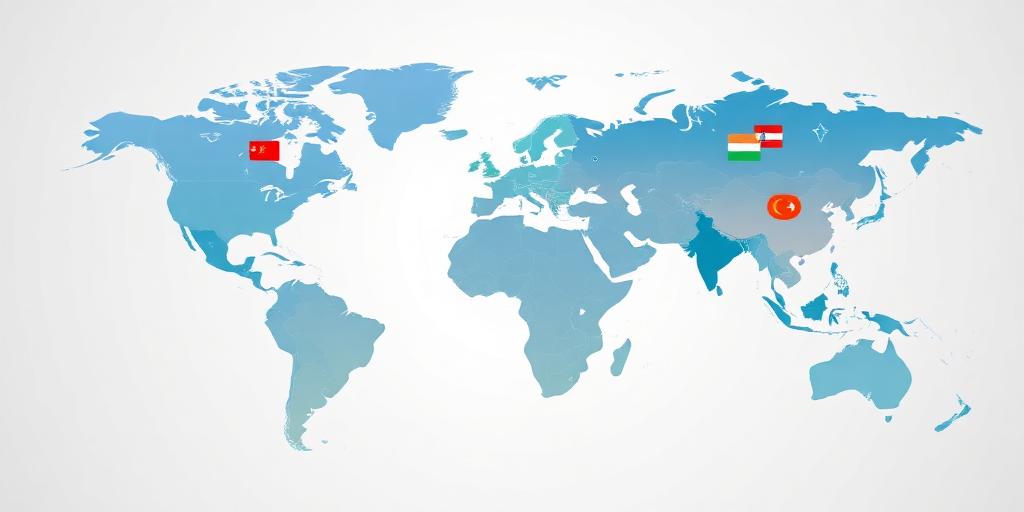
The Impact of Geopolitics on Global Market Analysis
Geopolitics, the interplay of geography and politics, significantly shapes global market analysis. Understanding these dynamics is crucial for investors, businesses, and policymakers to navigate the complexities of the international economic landscape. This article explores the multifaceted impact of geopolitics on global markets.
1. Trade Relations and Market Access
Geopolitical tensions often manifest in trade policies. Tariffs, trade agreements, and sanctions directly affect market access and trade flows. For example:
- Trade Wars: Imposition of tariffs between major economies can disrupt supply chains and increase costs.
- Trade Agreements: Agreements like the CPTPP or USMCA create preferential trade conditions, influencing investment decisions.
- Sanctions: Economic sanctions on specific countries can limit market access, affecting companies operating in or trading with those regions.
2. Political Instability and Investment Risk
Political instability in a region introduces uncertainty, increasing investment risk. Factors contributing to instability include:
- Regime Changes: Unexpected changes in government can lead to policy shifts, impacting contractual agreements and property rights.
- Social Unrest: Protests, strikes, and civil conflicts disrupt business operations and erode investor confidence.
- Geopolitical Conflicts: Armed conflicts directly destroy infrastructure, displace populations, and halt economic activity.
3. Resource Nationalism and Energy Markets
Geopolitics plays a vital role in controlling access to natural resources, especially energy. Resource nationalism, where countries assert sovereign control over their resources, affects energy markets.
- OPEC Influence: The Organization of the Petroleum Exporting Countries (OPEC) influences oil prices through production quotas, impacting global energy markets.
- Geopolitical Hotspots: Regions with significant energy reserves, like the Middle East and the South China Sea, are prone to geopolitical tensions that can disrupt energy supplies.
4. Currency Fluctuations
Geopolitical events trigger currency fluctuations, impacting international trade and investment. Key factors include:
- Safe-Haven Currencies: During geopolitical uncertainty, investors often flock to safe-haven currencies like the US dollar, Swiss franc, and Japanese yen.
- Economic Sanctions: Sanctions can devalue a country's currency, affecting its import and export competitiveness.
5. Supply Chain Disruptions
Geopolitical events can disrupt global supply chains, causing delays and increased costs. Examples include:
- Protectionist Measures: Policies that favor domestic production can fragment supply chains.
- Border Disputes: Disputes can lead to border closures and disruptions in the movement of goods.
- Cyber Warfare: Cyberattacks on critical infrastructure can disrupt supply chains.
6. Technological Competition
Geopolitics influences technological competition between nations, affecting innovation and market dominance. Key aspects include:
- Tech Nationalism: Governments support domestic tech industries while restricting foreign competition.
- Data Security: Concerns about data privacy and security lead to regulations affecting cross-border data flows.
Conclusion
Geopolitics profoundly influences global market analysis. Understanding trade relations, political stability, resource control, currency fluctuations, supply chain dynamics, and technological competition is essential for making informed business and investment decisions. Staying abreast of geopolitical developments and integrating them into market analysis frameworks provides a more comprehensive understanding of the global economic landscape.


