
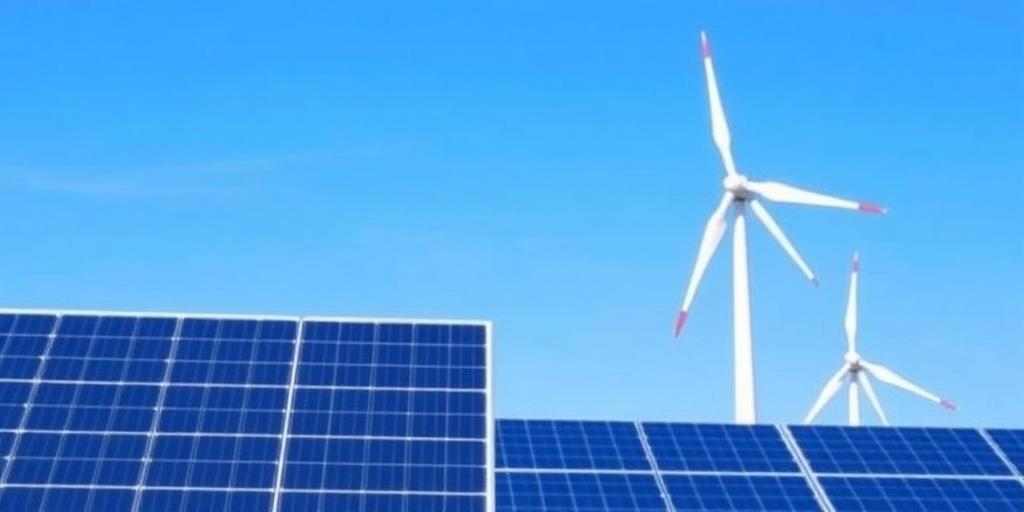
Investing in alternative energy projects presents a compelling opportunity for both financial returns and environmental stewardship. As the world increasingly focuses on combating climate change and transitioning to sustainable energy sources, alternative energy projects are gaining traction and attracting significant investment.
What are Alternative Energy Projects?
Alternative energy projects encompass a wide range of initiatives focused on generating energy from renewable sources. These include:
- Solar Power: Projects involving photovoltaic (PV) systems that convert sunlight into electricity.
- Wind Energy: Wind farms that harness wind power to generate electricity.
- Hydropower: Dams and other facilities that utilize the energy of moving water.
- Geothermal Energy: Power plants that tap into the Earth's internal heat to produce electricity.
- Biomass Energy: Projects that convert organic matter into energy, such as biofuels and biomass power plants.
Why Invest in Alternative Energy?
Several factors make alternative energy projects an attractive investment:
- Environmental Benefits: Alternative energy reduces greenhouse gas emissions and pollution, contributing to a cleaner and healthier environment.
- Government Incentives: Many governments offer tax credits, subsidies, and other incentives to encourage investment in alternative energy.
- Growing Demand: As the cost of alternative energy technologies declines and concerns about climate change increase, demand for renewable energy is growing rapidly.
- Long-Term Returns: Alternative energy projects can provide stable, long-term returns due to the long lifespan of renewable energy assets.
Risks of Investing in Alternative Energy
Like any investment, alternative energy projects come with risks. Some potential challenges include:
- Technological Risks: Emerging technologies may not perform as expected or may become obsolete.
- Regulatory Risks: Changes in government regulations or incentives can impact project profitability.
- Market Risks: Fluctuations in energy prices can affect the revenue generated by alternative energy projects.
- Environmental Risks: Alternative energy projects can have environmental impacts, such as habitat destruction or water pollution.
How to Invest in Alternative Energy
There are several ways to invest in alternative energy projects:
- Direct Investment: Investing directly in renewable energy companies or projects.
- Mutual Funds and ETFs: Investing in funds that focus on renewable energy or clean technology.
- Green Bonds: Investing in bonds issued to finance environmentally friendly projects.
- Crowdfunding: Participating in crowdfunding campaigns that support alternative energy projects.
Investing in alternative energy projects can be a rewarding way to generate financial returns while contributing to a more sustainable future. However, it's essential to carefully research potential investments and understand the risks involved before making any decisions.


